


Creating a sustainable home garden is a rewarding way to connect with nature, produce your own fresh food, and reduce your environmental footprint. If you’re new to gardening, the idea might seem overwhelming, but starting small and following a few smart strategies can set you up for success. This guide offers beginner-friendly tips to help you build a thriving, eco-friendly garden at home.
What Is a Sustainable Home Garden?
A sustainable home garden focuses on growing plants while minimizing harm to the environment. This means using resources wisely, encouraging biodiversity, and avoiding harmful chemicals. The goal is to create a balanced ecosystem where plants, soil, water, and wildlife coexist healthily.
Getting Started: Planning Your Garden
Before you dig in, spend some time planning your garden carefully.
Choose the Right Location
– Pick a spot that gets plenty of natural sunlight, ideally 6–8 hours a day.
– Ensure easy access to water sources to keep plants hydrated.
– Consider the space you have—whether it’s a backyard, balcony, or even windowsill.
Assess Your Soil
– Healthy soil is the foundation of any sustainable garden.
– Conduct a simple soil test kit to check pH and nutrient levels.
– Improve soil with natural amendments like compost instead of synthetic fertilizers.
Select Plants Wisely
– Opt for native plants that are adapted to your climate and require less water and care.
– Include a mix of vegetables, herbs, flowers, and shrubs to support diverse pollinators.
– Choose disease-resistant varieties if available.
Sustainable Gardening Practices
Once your garden is planned, adopting sustainable care habits will help it flourish.
Composting
– Start a compost bin with kitchen scraps, yard waste, and dry leaves.
– Compost enriches soil naturally, reduces waste, and saves money.
– Avoid adding meat, dairy, or oils to your compost to prevent pests.
Water Conservation
– Water your plants in the early morning or late evening to reduce evaporation.
– Use drip irrigation or soaker hoses for efficient watering.
– Collect rainwater in barrels to use during dry spells.
Natural Pest Control
– Encourage beneficial insects like ladybugs and spiders, which prey on harmful pests.
– Use organic pest repellents such as neem oil or homemade garlic spray.
– Companion planting can deter pests; for example, marigolds help repel aphids.
Mulching
– Apply a layer of organic mulch around plants to retain moisture, suppress weeds, and improve soil health.
– Good options include straw, wood chips, or shredded leaves.
Crop Rotation and Polyculture
– Rotate crops yearly to prevent soil depletion and reduce pests.
– Grow multiple kinds of plants together to mimic natural ecosystems and boost resilience.
Tools and Supplies for Beginners
Having the right tools makes gardening easier and more enjoyable.
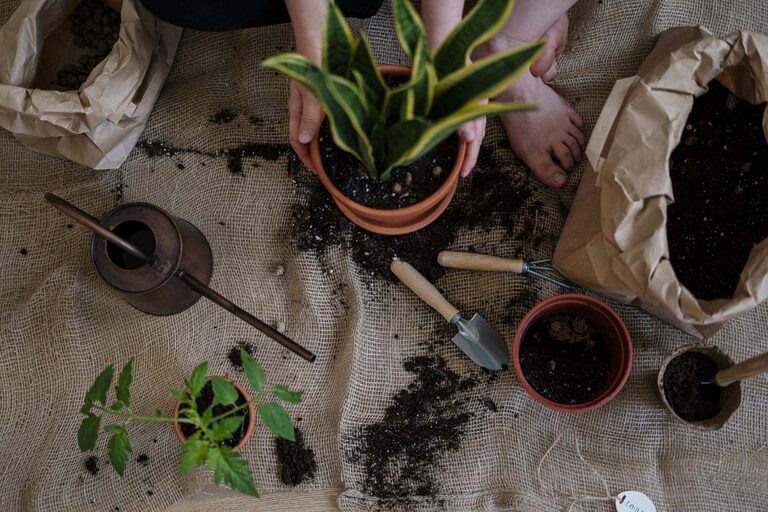
– Basic hand tools: trowel, pruners, garden fork, and a watering can.
– Gloves to protect your hands.
– Containers or raised beds if you have limited space.
Maintaining Your Garden
– Regularly check plants for signs of stress or pests.
– Prune dead or damaged foliage to keep plants healthy.
– Keep records of what you plant and when to track growth and harvest times.
Benefits of a Sustainable Home Garden
– Produces fresh, nutritious food.
– Supports local wildlife and pollinators.
– Reduces plastic use and packaging waste.
– Helps combat climate change by absorbing carbon dioxide.
– Provides a peaceful outdoor activity that promotes wellbeing.
Final Thoughts
Starting a sustainable home garden doesn’t require a green thumb or a large space. By choosing the right location, using natural resources responsibly, and caring for plants thoughtfully, beginners can create a vibrant and eco-friendly garden. Remember, every small step you take towards sustainability helps make a bigger impact on the environment.
Happy gardening!