

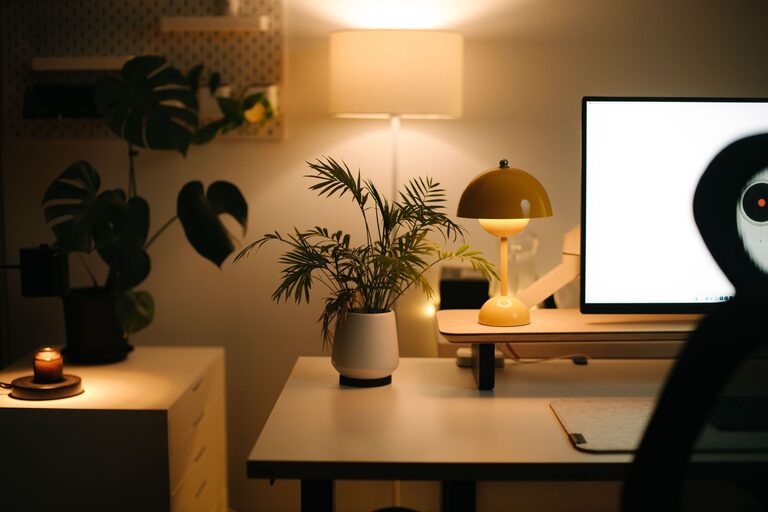
Creating a productive home workspace is essential for anyone looking to work efficiently outside of a traditional office. Whether you’re a remote employee, freelancer, or running your own business, the right environment can make a big difference in your comfort, focus, and output. Here are some detailed tips to help you set up a home workspace that encourages productivity and well-being.
Choose the Right Location
Quiet and Low-Traffic Area
Select a spot in your home with minimal distractions and noise. This could be a spare room, a corner in your bedroom, or a quiet section of your living room. The less noise and foot traffic, the easier it will be to concentrate.
Good Natural Lighting
Natural light boosts mood and energy levels, so position your desk near a window if possible. If natural light isn’t an option, use bright, adjustable artificial lighting to avoid eye strain.
Ergonomic Setup for Comfort
Invest in a Quality Chair
Comfortable seating supports good posture and reduces fatigue. Look for an adjustable chair with lumbar support to keep your back healthy during long work hours.
Desk Height and Monitor Placement
Ensure your desk is at a comfortable height, allowing your arms to rest at a 90-degree angle while typing. Position your monitor so the top of the screen is at eye level, which helps avoid neck strain.
Organize Your Workspace
Declutter Regularly
A clutter-free desk helps clear your mind and reduces distractions. Keep only essential items on your desk and store everything else in drawers or shelves.
Use Organizational Tools
Incorporate organizers, such as trays, pen holders, and file racks, to keep everything tidy and within reach. Label files and folders to quickly locate documents when needed.
Minimize Distractions
Manage Technology Use
Turn off unnecessary notifications and apps that distract you during work hours. Consider settings that limit social media or other non-work-related sites.
Set Boundaries with Others
If you share your home, communicate your work schedule clearly and request minimal interruptions. Use headphones or white noise machines if external sounds disrupt your focus.
Personalize Your Space
Add Inspiring Elements
Include items that motivate you, such as photos, plants, or artwork. Green plants can also improve air quality and create a calming atmosphere.
Keep it Functional
While personalization is good, avoid over-decorating. An overly busy space may become distracting rather than inspiring.
Establish a Routine
Consistent Work Hours
Treat your home workspace like an office by keeping regular working hours. This helps establish a clear mental boundary between work and personal time.
Take Regular Breaks
Use techniques like the Pomodoro method to work in focused intervals followed by short breaks. Stand, stretch, or take a quick walk to refresh your mind and body.
Optimize Technology and Tools
Reliable Internet Connection
Ensure your home internet is fast and stable enough for your work tasks, especially if you rely on video calls or cloud-based applications.
Use Quality Equipment
Invest in a good keyboard, mouse, and headset to increase comfort and efficiency. Backup important files regularly to avoid data loss.
Maintain Air Quality and Temperature
Keep the Air Fresh
Open windows when possible or use air purifiers to maintain clean air. Fresh air and good ventilation improve focus and health.
Comfortable Temperature
Adjust heating or cooling to keep your space at a comfortable temperature. Being too hot or cold can distract from concentration.
Manage Storage Efficiently
Use Vertical Space
Shelves and wall-mounted storage help save desk space and keep items organized.
Digital Organization
Manage digital files with clear folder structures and regular backups to reduce computer clutter and improve workflow.
—
Setting up a productive home workspace involves more than just placing a desk and chair in a room. By paying attention to your environment, comfort, organization, and habits, you create a space that supports focus, creativity, and efficiency. Implement these tips gradually to find the setup that best suits your working style and personal needs. With a well-designed workspace, working from home can be both enjoyable and highly productive.